

The Good-Parent Illusion! Why “Keeping Them Safe” Was Never the Job! with Chief Master Greg Moody, Ph.D. and Senior Master Laura Sanborn
Sincerely,

Ch. Master Greg Moody, Ph.D.
P.S. Transcript: Transcript for The Good-Parent Illusion
With Chief Master Greg Moody, Ph.D. and Senior Master Laura Sanborn
 The Good-Parent Illusion – August 04, 2026
Welcome everybody to this edition of our success training. I’m glad to have Senior Master Laura Sanborn here.
@0:57 – Senior Master Sanborn
Thanks a lot for being here, ma’am. Thank you, sir.
@1:00 – Chief Master Greg Moody
All right, well, so what we’re going to talk about today is a subject that she and I were talking about related to all the parents that we deal with and all the parents that we work with that ask us for help.
So one thing that we came up with is the idea of the good parent illusion and kind of what is a parent’s role in safety and development for your kid and why keeping them safe was never the job of the parent.
So we’re going to talk about this in detail, but the idea is what is our role as a parent in terms of keeping them safe and what’s our role as a parent in terms of creating more experiences and capabilities for them.
And those can feel like they’re in conflict. So here’s a couple things about me. We’re author of 20 books.
You can find the latest book, Karate Built, Karate with a Space Built, on Amazon that we just published. I’m really excited about that book.
And it’s all about the Karate Built Charter. Everything we do in the success training comes from this. This is what our instructors want.
Students read when they start their instructor training class, and we’re really excited about how this has helped focus everybody on the main points that we’re talking about.
And one of those things actually here is constant growth. So we measure our results based not on who we exclude, but on students’ constant growth from when they start to Black Belt and beyond.
And this constant growth theme is really important to us. And it’s very important to parents, but I think what we’re going to try to do today is help you determine what your role is and where you fit in in this growth process.
So we talked about this today, Senior Master, remember about what the real risk for kids is. So what’s the real thing that’s going to happen to them?
Violence and abduction or, you know, stealing your kid or taking them away, that is a real danger. And it’s something that we obviously teach kids to protect themselves against.
We teach… We to have enough awareness, situational awareness and confidence so they can keep themselves out of the situation for our adult students as well.
We do a lot of work to help them with this. But when do those things happen? It’s very rare.
So how often it happens, violence, abduction, this is something that parents worry about. You know, when we talk about adult parents, we did a class a few weeks ago about parents of adult kids.
And where their adult kids have not really launched. They haven’t been successful in their life. And what it ties back to a lot is their parents were really concerned about keeping them safe and then not allowing them to have experiences where they grew.
And what really the real risk here isn’t violence and abduction, even though we want you to be safe from that.
The real risk is everyday conflict. There’s a lot more. It’s a lot more frequent than even bullying or violence.
Bullying happens to about one in three kids. This happens every day. Everyday conflict happens all the time. So these are all very, very different.
Violence and abduction, there’s, let’s see, it’s about 0.05% of kids are going to experience something like that. Now that’s terrible when it does happen.
I don’t want to lower our focus that this situation is bad. I mean, we don’t want this to happen to our kids.
But if we’re worried about our kids having anxiety, worried about our kids having challenges that are somewhere in this range and…
These ranges are where, you know, maybe anxiety happens, maybe some fear happens, maybe some stress happens. And these are very, very normal.
And that’s why our job isn’t to keep them safe from those things. Our job is to help them learn to get through these conflicts and through these challenges themselves.
Anything to add there, Master?
@5:23 – Senior Master Sanborn
No, I was actually along the same lines of that, like thinking about safe, but not afraid of everything. So you don’t want to always push the most severe things so that they’re constantly afraid that that’s going to happen to them.
But they do need to be aware of it, but they don’t have to be only aware of that.
@5:50 – Chief Master Greg Moody
Right. And when we, when we talk to parents, or when I talk to my adult clients in my psychotherapy practice, it’s almost always these kind of
Conflicts. mean, occasionally there’s people that have had really severe things happen in their life. They might have, I mean, if they’re in the military and they went off to war or they had some serious abuse when they were young.
That does happen and it’s not uncommon, but this stuff, this stuff is what adds up. This is what adds up in people’s everyday lives and in many, many cases, the majority of the cases, these are what caused them some issues later on in life.
And that’s what we want to be really good at and be experts at as parents. So we’re going to help you with that today and help you keep, get a framework for what to do.
So with this, again, we’ve kind of talked about severe instances are rare. For sure we need to deal with them, but they’re rare.
Common ones are all the time. They’re always going to have anxiety and exclude, you know, failures. And then the, the damage is through everything.
So We kind of already talked about this. As a parent, of course, the thing that kept me up at night when my kid was young is, you know, what if somebody did something to him?
What if he got hurt and he was riding his bike and he got hurt? What if this? What if that?
And that was a concern I have. It’s normal as a parent to have those kind of concerns. It’s the worst thing that can happen to us if something happened to our kid.
So we value that very high. And what we’re really looking for, and we’ll talk about each of these, is, of course, we want our kid to be safe.
But our marker isn’t working so well today, Master Sanborn. But the other stages with often we see is, you know, we generally see people learn to be capable.
That means they can, they can, they went to school, maybe they graduated college, they have some skills, this allows them to get a job.
And this allows them to, you know, sustain themselves. So if I only get. If safety, but I don’t get capability, I’m going to have trouble later in life.
This is when we see parents of adult kids, their 20, 30-year-olds, have challenges in life. The next thing that doesn’t happen a lot is, is get connected.
So in other words, this is about relationships. And, okay, there we go. I think I got that, I’m having, I’m having, this isn’t cooperating today.
My pen, let’s try it this way. Okay. That was interesting. Um, don’t want to keep everybody here. Uh, yeah.
ACTION ITEM: Fix pen/marker annotation issues for future success seminars – WATCH
Okay. Let’s see if that sticks. No, it didn’t. Wow. That’s strange. Okay. So we’ll work on this and we’ll try to, we’ll try to, uh, figure out what are, what are technical issues.
So we don’t want to take everybody’s time on that. But relationships are what happens at the connected level. And if we think about in life, where do we have anxiety?
Where are kids going to have anxiety? A lot of times it comes from these upper levels, not the lower one.
So they’re upset because a friend did something to them. They’re upset because something happened at school. They’re upset because maybe they got in trouble with the teacher.
 They’re upset because of something. They have anxieties and concerns. And if they don’t learn to have really good connected relationships and connected means conflict.
If you’re going to be connected to somebody, there’s going to be conflict between you. And one thing that we try to.
Teach people is, I can stay connected to you, but still have conflict. Instead, what people often do is, different seminar than this, but instead what people usually do is, when they have conflict, they disconnect in one way or another.
Or they connect too much. So there’s a lot of things we could talk about in that area. But this is a very large part of anxiety and challenges that we have as people that if we don’t handle, we’re not going to have good relationships.
Then the last one up here is, and to me, you’ve got to do all these things before you can get to growth.
Growth is the ability, and we’ll detail all these out, but the ability to keep on growing. So when I have my kid leave the nest and go away, I obviously want him safe.
Otherwise, I didn’t do my job. But if I didn’t make him capable enough to do a job and provide for himself or herself.
So if I I also didn’t do my job, and really, if I didn’t help them learn to build relationships with other people and be able to stay connected even when there’s conflict, that’s another piece of my job.
And then the last one is when they leave the nest, that they’re still consistently trying to grow. And that’s when I can feel like they’re launched.
Any comments, ma’am?
@11:23 – Senior Master Sanborn
Yes, sir. Part of it is the definition of safety. A lot of parents and a lot of people in general think safety means protecting somebody from anything happening to them.
Versus we’re talking about safety is not keeping things from happening or not letting them go into situations where something could happen, so much as teaching them to be able to handle situations that happen to them, whether it’s a physical thing that they need to protect themselves from, whether it’s a mental thing that you know is going to happen, because there’s no way to build the bubble around them.
Let’s see. . . . Without isolating.
@12:03 – Chief Master Greg Moody
In some of our last seminars, we talked about the lifespan of a child up through adulthood. And if we don’t teach them to handle those situations, if we don’t eventually teach them to push themselves, then they’re going to have a lot more challenges when they’re an adult.
I’m teaching a seminar. I’m actually teaching a seminar Friday on parenting and dealing being the parent of an adult child who hasn’t launched.
And what do you do and why did you get in this position in the first place? So we’re intercepting you all early so that you don’t get in that position where your child is in his, you know, living at home when he’s 30 years old, which isn’t necessarily, I mean, maybe they, maybe there’s a reason for them to do that, but not having the capability, not learning to be connected with other people and build relationships, and then being stuck where they are.
So that’s what we’re looking for. And how do we do that? And it starts, believe it or not, very, very, very young.
So let’s talk about that. safety is our minimum requirement. We want to make sure, obviously, they don’t get run over by a truck.
They know how to deal with normal things. They don’t get seriously injured, hopefully also physically healthy. And, you know, this is something that even health is an interesting one here because you could feed them really good food and you could make sure they didn’t eat, you know, six servings of ice cream every day and you could make sure they walked and you could do all these things for them.
What happens when they leave the nest? So is the goal to help them with health and guide them so that that becomes a habit?
That’s in the capacity range. It’s not in the safety range. And there’s the question. This is the question you ask yourself for any of these situations.
If you’re not making them do it or you’re not providing it for them. Are they able to do it themselves?
And I think like cooking is an interesting one. They could, you know, I taught my kid to cook really early so that he could, you know, simple things that he was capable of doing and he didn’t, you know, get a big, the frying pan out.
But I taught him to cook really early so even at four or five years old, he could get some food out of the cabinet and eat it and he knew which food to get.
And so then it was a job of monitoring him to see that he didn’t like, you know, take cookies every day.
So this is what we’re starting with. What happens next? So capacity, we want them launched so that they can run their own life.
They can, they can, they can be able to do all these things, but it starts again early. How early can you teach them to fold their own laundry?
How early can you teach them to do dishes? How early could you even teach them to pay a bill?
There’s a really good book. I helped somebody. the ah strong with when they wrote it, and it was, for those of guys watching, that’s something that I do a lot of, let’s see, Going Through the Oven.
This is a really good book I recommend to people. It’s on Amazon, and it says, Unlocking the Secrets to Business at a Young Age.
This gentleman, he’s one of our ATA instructors as well, Daniel Fortenberry, so he wrote a book on how to teach your kid to start their own business, and he did it in the, you see the cookies on the front, he did it in the framework of, what if they made a cookie stand, had a cookie stand outside, and how they could understand how much it cost, understand how to do their production of the cookies, understand how to do a little bit of marketing, understand how to sell it, and then understand how to reinvest that money into their own business.
And he wasn’t talking about them building, you know, a million dollar business, what he’s talking about them having some structure, and how you could help them have the structure.
Even at like four, five, six, seven, eight years old, so that they could do something like that. Imagine how spectacular your kid’s going to be in their adult life if they learn how to do things like this early.
So I thought that was a good example, okay? And understanding when things happen that aren’t normal, when things happen that are outliers, which that’s a lot of the time, we don’t always get normal situations in our life.
Are they handling it? Are you teaching them to handle it, or are you handling it for them? I had an example when my kid was young.
I was out with some friends of mine who I would say don’t understand these concepts perfectly well. Hopefully, they don’t recognize their example when I say it.
But I was at Disneyland, and my son had an ice cream cone. The other two kids had an ice cream cone.
I was there with my son. They were there with their two kids. next time. Bye-bye. Bye-bye. Yeah. And my son, you know, they were all talking and stuff and moving around, and my son dropped his ice cream cone.
So I said, oh, you dropped your ice cream cone, what are you going to do? He goes, I don’t know.
I’m like, well, you know, I don’t see what happens and see if you can ask them for another one.
And so he went himself, he was six years old at the time, he went himself up through the line, went and asked.
And if you know Disney, they’ll like give you another ice cream cone if you, you know, dropped your own ice cream cone, because that happens all the time.
And the parents, I found this out years later, the parents were shocked. They were, they were completely shocked that I let my son do that.
He was safe. He was within my view. It wasn’t like he was going to walk away and end up somewhere.
That wasn’t an issue, but they were shocked that I would have him do that, have him go up and ask for another ice cream cone, rather than, rather than me do it for him.
A hundred percent of the time they do it for him. And I can tell you this later. When those kids were 18, 19, 20 years old, they would do things for them that didn’t need to be done.
So just something to think about. And we’re trying to give them skills, not do stuff for them. The sooner we can give them skills and keep and keep ourselves from doing things for them, then the better we’re going to be.
And it’s I understand it’s hard because it’s very hard to tolerate your kid having a problem, your kid having anxiety.
Your kid needing to get some, you know, do the dishes. I mean, it’s hard to tolerate how bad they’re going to do the dishes and how many times you got to teach them how to do the dishes before they do it.
It’s hard to tolerate that they may not fold the laundry per your perfect spec, that they may do it pretty good and you got to keep working on them.
And maybe they get 80 percent of the way there or maybe that’s OK so that they learn that skill.
It’s hard to tolerate that risk that they’re going to have. And it’s hard to tolerate just, you know, your hassle for dealing with that, that you have to have them do their own laundry is often more trouble than you doing it yourself.
Yeah, but they didn’t learn the skill. Any things to add there, ma’am?
 @19:17 – Senior Master Sanborn
Yeah, actually ties right into that is people are thinking that safety is risk avoidance. No, and, you know, when you sent your son to go ask about the ice cream, his, you know, the risk could have been that they said, sorry, you lost your ice cream, you don’t get one, right, you got to live with it.
And he either has to come up with an argument to get it back, get a new one or not.
But you didn’t avoid the risk that he could be rejected. You don’t avoid the chance that something won’t be perfect.
You don’t avoid that. It’s not actually safer for them if you make it, if you try to put them in a bubble and make it so that
That there are no things that are going to cause disappointment, rejection, harm of some sort. It’s the ability to handle what happens to them.
If you cause more harm by avoiding risk for them than by being aware that there is some and judging if it’s too much.
I mean, if you’re going to send them across the street, unprepared to cross the street, that’s on you. If they know how to go to the corner, look for the light, cross the street, look both ways, you’ve taught that.
They’ve been, you’ve watched them many times do it and made sure that it was happening. Then you don’t have to be there to make sure from then on that they don’t do it.
That they don’t, it’s, you’ve got to let go and let the risk happen so that they, so that they grow.
Yeah.
@20:59 – Chief Master Greg Moody
So we We’ve talked about this, but back to the ice cream example, the interesting part is if one of my friend’s kids had dropped their ice cream, they would have either told them, you know, too bad to drop your ice cream, which isn’t necessarily a bad thing, or they would have gone up and got the new one for them with the expectation they’d pay for a new ice cream cone.
@21:19 – Senior Master Sanborn
Right.
@21:19 – Chief Master Greg Moody
Because they didn’t want to tolerate their kid having some disappointment. At the time, I did not know that Disney was so easygoing about giving you a free ice cream cone if dropped it.
I had no idea that that was the case until later. Right. I thought he did a good job asking him, so he got another ice cream cone and he was extra cute.
That’s what I thought because he’s my kid and I was biased. I didn’t know that was going to happen.
I actually expected when he would go up and ask for another ice cream cone that they wouldn’t give it to him or they’d ask him for money, which I wasn’t going to give him.
@21:51 – Senior Master Sanborn
Right.
@21:53 – Chief Master Greg Moody
So what lesson did he learn? Now, some people could argue maybe it would be better to tell him, too bad.
Well, instead of me teaching. I that if he drops his ice cream cone, he’s out of luck. I taught him that if he dropped his ice cream cone, what can he do about it?
Can he do something to make it better for himself? Now if something happens, what I’m hoping, and he’s 24 now, what I’m hoping is that when something happens, he’ll think about, oh, well, what can I do to change this?
What can I do to fix it? What can I do to make this work? And so far, I see that when I experience him.
So we want our kids to learn if something bad happens, what can we do? And when we talk about safety, we’re not just talking about life and death.
Again, we’re talking about conflict in their own, which turns into their own anxiety. The other example we use in the Fear Book, the Parent Action Plan Fear, is if your kid has a lot of anxiety about riding the roller coaster.
So maybe you take them to Disneyland, they hear the noise in the big roller coaster, and they’re going, ah, what’s going on?
I, you know, this sounds crazy, we’ll, you know. One way you could do it is say, tough, get on the roller coaster, because you feel like, well, they’re going to have a good time and they’re going to learn, you could do that, or you could go, well, okay, we’ll try something else, we’ll ride something else.
Now, it’s not life and death whether they ride a roller coaster, but it is a teaching opportunity for you to understand how they feel, and we teach in that book, validate and understand how they feel, and then let them know that this is something that we’re going to do.
Now, they’re learning that they can go through an experience, and they still can be safe. So, anyway, understand that when we get to this level, sometimes we don’t allow them to become capable, because we’re worried about these other safety things that feel bad, like anxiety, and that’s usually what keeps us from doing stuff.
So, let’s talk about being connected for our time today. So, the next step, once they have some capacity and they can do stuff, that they can see other people, connect with other people, and it says here.
Build and repair it. So build connections and then also when there’s conflict, repair the connections and stay connected. So real relationships, you’re modeling for them.
You’re modeling for them in your regular relationships and how you deal with it. So if you have challenges with this, that’s something to consider that you need to work on.
And seeing them watch you resolve issues with people. If you’re the kind of person that something happens and you’re upset with somebody and you just say, well, fine, I’m not going to talk to them ever again.
I mean, that’s okay. Maybe they should be people you never want to talk to. I don’t have a problem with that.
But if that’s the general strategy that you use if something comes up, then you’re not going to be able to get more connections.
So if you’re capable, again, if you’re capable but you can’t connect with people, you can get out of the house, you can get a job, you can work, but you’re not going to…
You’re not going to be very happy because you’re not going to, we, as humans, we want connection. That’s part of our DNA.
Believe it or not, that’s actually built into us to want connections because that was what kept us alive when we were young.
So, so maybe, Master Sanborn, do you have any example of seeing people teach their kid how to, how to handle conflicts?
Oh yeah.
@25:27 – Senior Master Sanborn 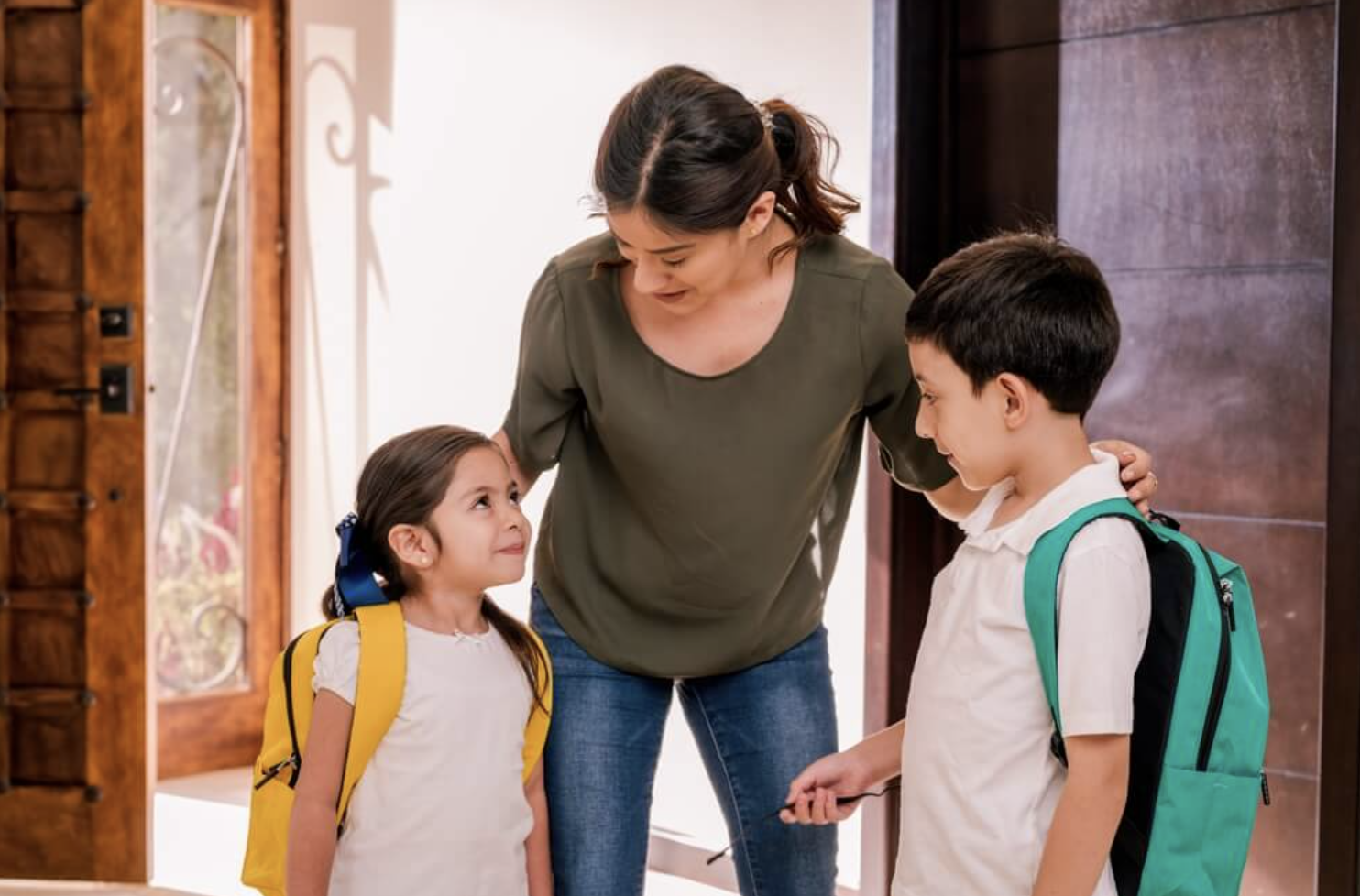
You see the parent who just blows up over the silliest little things that they’ll, so they’re teaching their kid that no matter how small something is, you just automatically get into a fight mode as opposed to, there was nothing to that.
Nobody intended anything. Nobody meant anything wrong. Nobody was looking at your kid and doing something. And the parent is just like all over it.
And the kid is just like, okay, I guess I should have been yelling by now or fighting because This person bumped me, said something slightly off, because that’s where kids are going to learn it from.
They’re going to assume that their parent is right, and if their parent is the kind that just automatically blows up at the smallest thing, it’s like, I’m protecting my kid.
I’m protecting my kid. You bumped my kid, and you didn’t apologize, or you knocked him over because you weren’t paying attention.
I’m going to attack you full out. The kid learns, oh, that’s how I’m supposed to respond to that. Yeah, I’ve seen that lots of times from people who just can’t let the kid deal with, oh, stand up and say, you know, oh, I wish you hadn’t done that, or just let it go because it doesn’t matter.
@26:47 – Chief Master Greg Moody
Yeah, they notice, and we hear this with elementary school teachers talking about this a lot, where the parents are coming in and try to, you know, something happens with their kid, and then the parent calls them up.
Something happens with the kid, the parent calls And look, sometimes you need to get involved. We write about this when we talk about bullying and abuse.
In those areas, when there’s an imbalance of power and the child can’t necessarily resolve it themselves, sure, get involved.
But where that line is, is difficult for parents. We understand that’s not always easy to know. But if they see you, something happens and your solution to it is, you know, this store didn’t do something right, and you go in like a mad person and get on them and then they get results, well, that’s one way to handle it.
But your kid’s going to model that. And they’re going to think that’s the way to get what they want in their relationships.
If they don’t get what they want, they escalate the fight. Or they’re going to see if they don’t get what they want, they’ll disconnect from you.
And that’s the hard part. It’s not easy. And it’s not easy for us as adults because we usually didn’t get this training.
We didn’t get our parents to have this training like you guys are watching at this point in their childhood.
So. So you had to kind of make it up as you go. And that’s what we want to help you with is so you don’t have to make it up as you go.
So we want to do this not just by letting them handle. We want to do a good job of teaching them to be connected, not just by letting them handle their own conflicts and maybe help them, guide them through it and stay as hands off as you possibly can.
And again, I want to use the word tolerate. Be able to tolerate your own anxiety about whether or not it’s going to work out for them.
Tolerate your own anxiety about whether they’re going to be okay. You’re there to save them if they’re not okay.
But if we isn’t isn’t our goal again to help them be capable and then connected. So let’s talk about let’s talk about Indian Gather Man before I move on.
@28:45 – Senior Master Sanborn
Yeah, I just thinking safe does not mean nothing will happen to them. And that’s just the way life is.
@28:53 – Chief Master Greg Moody
There’s a quote I have on my on my wall here. A ship is safe in the harbor, but that’s not what ships are for.
onboard over of I and It’s you.
@29:00 – Senior Master Sanborn
Yes. Yeah.
@29:01 – Chief Master Greg Moody
A ship is safe in the harbor. Nothing’s going to happen to it, but that’s not what you do with ships.
That’s not how they function. So, to me, that kind of says everything. So, growth. Let’s talk about growth. Now, if they’re not safe, I mean, if they don’t make it to adulthood, if they’re not capable, if they can’t hold on to a job, do the stuff they need to do, fold their clothes, do the laundry, fold their clothes, cook for themselves, go to the grocery store and understand how money works, capability, you’re going to have trouble.
It’s going to be very hard for them to be connected to other people, then be connected to other people.
Then, once they can do that and have relationships, then the next thing is, have we developed in them the ability to push themselves when hard things happen?
And this has a little bit to do with both relationships and capacity. If something difficult happens, do they have the capacity to think through it?
Do they have the capacity to handle their anxiety and their… Fear, or their anger, and then be able to push themselves through it, even though it might be hard.
Pushing yourself when it’s not hard is not that big a deal. It’s not hard to push yourself to walk into Disneyland because you’re going to have a lot of fun, but it might be hard to push yourself to exercise, push yourself to get up in the morning, push yourself to do things when it’s not always easy.
That’s the first line of our Karate Built Charter. We’re a highly disciplined martial arts school. Discipline is what we define as learning to push yourself, even when it’s hard.
So our goal for you parents is flipping it a little bit. We want you to learn that too if you’re one of our students, but the idea is we’re partnering with you to teach your kids to push themselves, even when it’s hard.
And that’s what’s important. When it’s hard is the most important time that they need to push themselves. Anything to add there, ma’am, as we’re talking about, um, about.
@31:01 – Senior Master Sanborn
No, it’s just, it’s one of those things. Growth can’t happen if there’s no opposition. If there’s no conflict, right?
If there’s no conflict, yeah.
@31:13 – Chief Master Greg Moody
We to have growth.
@31:14 – Senior Master Sanborn
Yeah, because otherwise you’re just like, straight across, never growth. It’s when you get over something that you actually grow.
So you don’t want to teach your kid that there won’t be conflict or that somebody else is going to handle all that conflict for them all the time.
Because then they’ll never get better.
@31:36 – Chief Master Greg Moody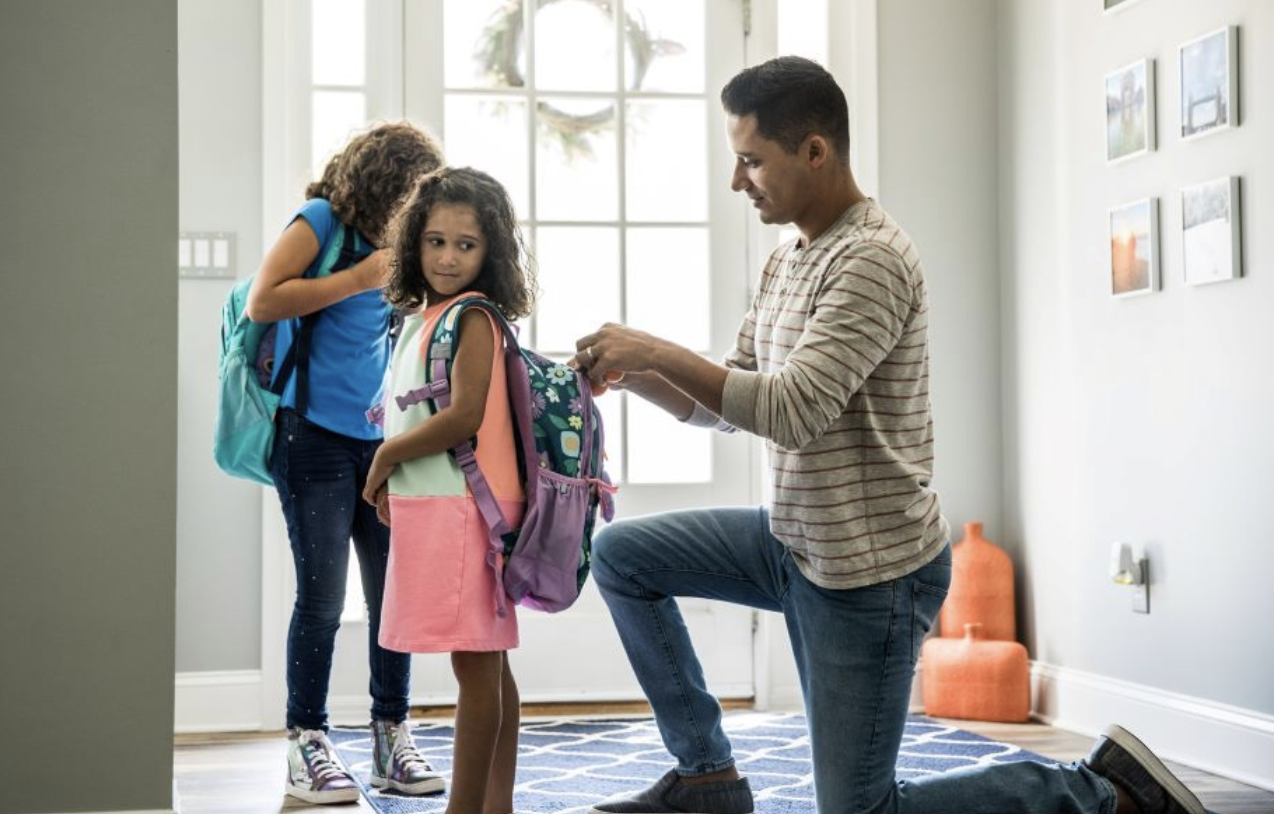
That’s right. And it goes back to that quote that we talked about. You have to be able to tolerate, though, the fact that when they’re not pushing themselves, you can help guide them so that they push themselves.
You have to tolerate that work. Again, it’s a lot more work to teach them how to fold the laundry than to do it yourself if they’re six, seven years old.
It’s a lot more work. I mean, nobody’s saying that. a lot more work to get them to do those things.
Does it pay off and save you some hassle later? Yeah, but it’s really hard in the first part of it.
And all the other things that they need to do to be successful in their life, they need this guidance from us.
But as far as growth goes, it’s not about folding your laundry or the capacity items. It’s about trying new things, learning that trying new things may turn out okay.
It could turn out bad. That’s called decision anxiety. People have decision anxiety because they are trying to think about deciding something, deciding to do something or not do something.
Well, if they choose to not do something, they’re always going to be safe. If you choose to not do something, then you never have any risk at all.
If you don’t buy the house that you wanted, even a purchase like that, well, you could choose not to buy the house and keep renting.
You’d be safe, you’d be comfortable, but you wouldn’t then have the new experience. house. Now. Now. You’d be safe.
Sometimes people want to move to a different city, but they decide whether they want to do it or not based on safety.
Look, sometimes you make decisions to do something or don’t do something, but the anxiety we have when we’re going to make a decision is about if you decide positively, I’m going to do the new thing, there is risk.
There’s always risk. You know, choosing to do karate. I’ve never done martial arts before. If you haven’t done that, you know that.
Well, I’ve done it, obviously, but, but, you know, somebody saying they’re choosing to do karate and they’ve never done martial arts before.
Even if they don’t feel scared by the idea of doing martial arts, it still feels risky because you have to do something new.
You have to show up for class. You have to make a decision. You have to, you know, pay for your classes.
You have to do all these different things. So making that decision causes anxiety. Not making the decision usually feels more safe.
So having kids make decisions to try new things, make decisions to do new things is kind of the foundation of growth.
I have the same. My I was talking about, I asked them if their kids wanted to go do something, and they went and asked their kids, and I always thought that was weird, like it was something like go to the Renaissance Festival, I remember, and let me ask the kids, it’s like how would the kids ever know, they’ve never been to the Renaissance Festival, they don’t know what it’s like, if you’ve been to the Renaissance Festival it’s pretty fun and they have games and they can shoot arrows and do all kinds of stuff, but they went to ask the kids, like how would they know, how would the kids know to me, to answer that.
So it always seemed like an odd decision to ask their kids whether they wanted to do something that they had no concept of what it was about.
So I think that’s a, to me that’s a good example of growth, is I’m going to make a decision for my kids so that they learn to do new things, they do new things, and they have new experiences, and when they do that they’ll learn most of the time they like them.
You know, if 51% of the time your decisions turn out good, then on the average, you’re going to be pretty happy.
But if you don’t make decisions and you make very few decisions, you get a lot of experiences you’re not getting.
Anything to add on there? I don’t know if I said that mathematically right, but it seemed to make sense to me.
If you make a lot more decisions and they’re better than 50% successful, you’re going to be much happier than if you tend to just not make decisions and not get new experiences.
Yeah, and I had one similar to that.
@35:35 – Senior Master Sanborn
At least it seems it’s similar is I had somebody who was getting ready to test for second degree black belt.
And on the exact same weekend, which was a soccer tournament that she really wanted to compete in, in a different state.
Okay, so there was no, you can’t do both. There’s no option for that. And they were And they’re like, okay, you got to make your decision.
You’re going to go do soccer because it’s a tournament you’ve always wanted to be in? Are you going to go get your second degree black belt that you’ve been working for for years and years?
Yeah, that one was interesting. She chose for her black belt. But yeah, she had to make a decision based on, do I go to a tournament?
Well, I can always go to another tournament. Yes, you can. Do I test for my black belt? I can do that later.
Yes, you can. Which one do you work? You know, you’ve worked towards both of these things. And, but they didn’t make it for her.
She was old enough to make that kind of decision, but have to know, all right, if you do this, this is what’s going to happen.
If you do this, this is what’s going to happen. Make a decision. We’re not going to make it for you.
Because it was not just something simple.
@36:51 – Chief Master Greg Moody
And I would think about giving parents advice in that you’re the most powerful person in their life.
@37:00 – Senior Master Sanborn
Yes.
@37:00 – Chief Master Greg Moody
So if I’m trying to help my child pick between, you know, do you want to do your testing or do you want to do, I mean, obviously they could do both later and they could still have these experiences, but, so it’s a, it’s, it’s relatively low risk choice.
I mean, they, it’s not life or death. It’s not like they don’t get to do one. So, so if I was guiding my child, very frequently we see parents, and you know darn well which one they want them to pick.
I mean, you know, you know, now I’m not saying in this case, but you know, like, do you want to do this?
Or let’s say it’s the example I asked my friend if his kids want to go to the Renaissance Festival, he’s going to ask him.
if he went over and asked him, hey, do you guys want to go to the Renaissance Festival? It’s way out on the other side of town and you might have fun, but it’s like, you know, it’s way out and it does, you know, we’ll pay the money if you really want to go.
@37:48 – Senior Master Sanborn
We don’t mind paying the money if you really want to go. Oh yeah.
@37:51 – Chief Master Greg Moody
Well, you know, they just as soon not go. But if you go to your kids and go, and again, I wouldn’t recommend asking them in this kind of case because.
Thank Because this is something they don’t need to decide on. But if you ask them, oh, we’re going to go to the Red Slots Festival, it’s going to be amazing, it’s going to be, you’re going to get to shoot arrows and we’re going to go on, you know, well, is, or do you want to go, then they may be more excited to go.
@38:14 – Senior Master Sanborn
So you influence which way, and believe me, your parent, your kids can read your mind about what you want them to do.
@38:22 – Chief Master Greg Moody
So the key is, is, is to present when you are giving your kids decisions to make, you present them in as neutral a tone as possible and as neutral evidence generation as possible.
In fact, if they can think of their evidence, that’s even better. You know, so what are the, what are the, if you want to go, what happens?
If you don’t go, what happens? If you do this, what happens? If you don’t do it, what happens? Exactly.
@38:44 – Senior Master Sanborn
Okay.
@38:44 – Chief Master Greg Moody
And then, then, boy, that’s pretty neutral. Now they had to figure it out. Now you’re teaching them so many things.
And that’s how, that’s the only way for them to learn that growth is a good thing, is if they’ve experienced that growth is a good thing.
So that they’ve experienced. That when they make decisions, or when decisions are made for them, or when they have new experiences, that most of the time it turns out good.
So I think that was a great example, ma’am. Okay.
@39:14 – Senior Master Sanborn
Yeah, let’s move on.
@39:15 – Chief Master Greg Moody
So this one I like. It’s not a bonus. So you can skip this part, you can skip helping them get connected, and you can just get them out of the house with a job.
That’s not what our goal is for our parents here. So we’ve talked about helicopter parents a bunch, and nobody wants to say they’re a helicopter parent.
So I just tell you, if you’re doing stuff for them that they have the capacity to learn to do themselves, not necessarily do yet, but if you’re doing stuff for them that they have the capacity to learn to do themselves, you kind of get a couple helicopter parent points.
So that’s some, that’s kind of a criteria for to use. Can they learn to do it themselves? Then that’s something that.
We often want to try to give them some space to do. And all this stuff is just rehearsal. What you do, safety is a lot of rehearsal.
We’re going to teach them that in martial arts as well. And just keep giving them examples and tolerate the small risks.
Even as they’re really young, the more things they can do on their own, the more risks they can take, and the more you can tolerate some risks.
Again, not unsafe risks, not ones are going to be in danger. They’re going to, don’t leave them at home alone for three weeks and see if they can handle it from the fridge.
We’re not talking about anything like that, but ones that you can monitor and you can tolerate. So I want to talk about authority versus responsibility, just to understand why this becomes a problem.
The one reason it becomes a problem is when they were infants, you had to do everything for them. You had to, you had 100% responsibility and you had 100% authority.
If you were going to move their bodies over here, you’re to move their bodies over there. You’re going to give them.
You had control of everything, and you were responsible for everything. Where we get disconnected sometimes as parents is over time, and you can look at our boundary, some of our other work on setting boundaries, over time, that authority drops.
When there are teenagers, you don’t have, I mean, you can try to tell them what to do, but at 18, you can try to tell them what to do, and they can just say no.
You can then cajole, or motivate them, or bribe them, or other stuff, but that means you have no authority at that point, and how much responsibility do you have?
You may feel like, yeah, I have a lot of responsibility, but it’s understandable that we feel that way because when they were babies, when they were born, you had all of it.
And so letting go of some of that and understanding when we don’t have authority or responsibility is tough. So it changes and changes over time, and we have a lot of damage with our kids when we .
. . When we have responsibility, we act like we’re responsible, but we still don’t have authority. That can be very difficult to deal with.
So with all this thing about tolerating, the best phrase here is this, am I protecting myself or am I protecting my kid?
@42:17 – Senior Master Sanborn
Yeah, that’s good one.
@42:19 – Chief Master Greg Moody
So these are some things, I don’t know if we talked about, I want to talk about this, tolerating your feelings.
So it’s, it’s most of the time, not your kid. It’s, are you allowing yourself to let your kids struggle?
I remember I was teaching a class early in my martial arts career and a kid said, I’m tired in the middle class.
This kid says, I’m tired. And I’m like, I was very early in my martial arts teaching career. I thought, well, what do I do?
Do I like let them sit down if they’re tired? Then I realized, geez, man, if I do that, then the next kid’s gonna say they’re tired.
Next kid’s gonna be tired. They’re all gonna be like this. And I said, good, I’m glad you’re tired. That means you’re working hard.
Then I kept going. So that was hard for me to tolerate, oh my gosh, what’s gonna happen if I just tell the kid, keep on going?
But then guess what happened? He kept on going. he never, if he was tired and classy, realized, oh, that’s time to keep going.
And he ended up becoming a black belt. So this is, that’s where you get success. Now, like if he said he’s tired, and I don’t know, his arm fell off, or something happened, like there was an injury or danger, of course we need to stop.
But do we need to stop because your child says they’re tired? Do you need to stop because your kid says something small is happening?
Or do we want to help motivate them and teach them to grow by learning to, learning, teach them, learning to overcome things even when it’s hard?
To learning to get through things even when it’s hard. So it. This one is important. Yeah, nobody’s going to give you credit because your kid messed up.
If you let your kid do stuff, and the example I used with my ice cream example, my friends were thinking I was a jerk and I was a bad parent at that time, but whose kids were capable later, it was my kid.
And he wasn’t mad. He actually became more empowered and strong because he knew if something happened he could go ask himself.
Their kids did not learn that. But they’re not going to cheer me at that moment. They actually told me 40 years later, they just recently said, that was so amazing and I thought you were a jerk because you didn’t help your kid.
And they remembered it because of that. And now they said, oh man, I wish we were that way. It’s even hard now for them to be that way.
It’s hard to switch. So be. Be uncomfortable and you’re trading discomfort and tolerating your feelings with them getting capability.
So here’s what to do instead. So the idea is, and remember this phrase, let them fly earlier and small things enough to be safe, but enough that you can tolerate.
The earlier you can do that at three or four or five years old, small things. One of the things we do is the kids bring in their big, huge gear bag in with all their safety gear.
And we say, if their parents are bringing them in, we tell them to give it to the kid, the kid might barely be able to carry it, but then they’re learning that that’s their job and that’s something they are capable of doing.
So that’s a big one. Go ahead.
@45:40 – Senior Master Sanborn
On the same lines, I had a class of threes and fours the other day. Every single one of those kids came in with a paper and a star recommendation saying, I cleaned my own room.
I cleaned the whole house. I did the dishes. I picked up the dog poop. I did. I was ready to hire
They had done everything. One vacuumed, one swept, and they were all threes and fours. And every single one of those kids had brought in a paper with, I did this, I did this, I did that.
And they got rewarded for that. So now they’re feeling like, well, I should do something even bigger next time because that guy next to me cleaned the whole house and I just cleaned my bedroom.
Well, I cleaned my bedroom four times. They want to be able to do this stuff. They want to be allowed to do this stuff.
@46:35 – Chief Master Greg Moody
And you being a good parent means you get them to do these things and you tolerate whether it’s anxiety or just the frustration with getting them to do it.
You know, it’s not easy to let your kid vacuum the floor, even if they only vacuum a small portion of the floor, because they’re probably going to do a lousy job of it, but be able to tolerate that and help them.
So they eventually do good. That’s, that’s the thing. That’s amazing. That’s a really good story.
@47:01 – Senior Master Sanborn
And none of the notes said, well, yeah, he only vacuumed like this two-inch row.
@47:08 – Chief Master Greg Moody
Yeah, he did the preliminary work. He only picked up half the dog poop when he was supposed to pick up all of it.
@47:15 – Senior Master Sanborn
There were no limitations on this. It was my kid cleaned the living room by himself. He did this. And when they stand up and get their start, like, yeah, I cleaned the whole living room.
It was huge, and there was stuff everywhere because they’re little. They’re three, and in their head, you know, two things on the floor that they had to pick up and clean on their own was a lot of stuff.
But they were successful at it, and they got rewarded for it. So now they want to do it again for another start and do it again to where it’s a habit now that by the time five or six hits, oh, yeah, you clean your own room.
That’s the expectation.
@47:49 – Chief Master Greg Moody
And that happens all the time. And that’s, you know, again, parents have to be able to tolerate the hassle of making them do that, hassle of getting them to do that.
That’s… That’s… That’s, that’s being a good parent is, is getting them to do stuff rather than saving them. So it’s, you know, it’s not easy to let them fail.
@48:11 – Senior Master Sanborn
That’s for sure. It’s not easy.
@48:14 – Chief Master Greg Moody
We’re not trying to remove safety. We’re trying to, our goal here in this class today is stop treating safety as a goal.
Sure, you’d need them to be safe, but capacity and connection and growth are what our, our big goals are for our kids.
That’s the safety is just the minimum. So that’s it. Um, senior master, anything to add as we wrap up here today?
@48:40 – Senior Master Sanborn
Um, no, I like this one a lot as far as talking about kids being safe and what the definition of safety is, is providing a growth situation for your child.
@48:50 – Chief Master Greg Moody
Um, yeah, you want to find more about this, uh, click on, click down below for, uh, uh, all the information for karate built and what we do and how we’re doing it.
And, we look forward to seeing you next time at the next success seminar.
P.P.S. Get Dr. Moody’s Book on Bullying – Click Here
KarateBuilt.com and KarateBuilt Martial Arts have been selected as the nation’s #1 martial arts schools for EIGHT YEARS IN A ROW!
KarateBuilt L.L.C. was founded in 1995 by Dr. Greg Moody, an 8th-degree Black Belt and Chief Master Instructor, KarateBuilt Martial Arts and Karate for Kids offer lessons for pre-school children ages 3-6 and elementary age kids ages 7 and up are designed to develop critical building blocks kids need – specialized for their age group – for school excellence and later success in life.
KarateBuilt Martial Arts Adult Karate training is a complete adult fitness and conditioning program for adults who want to lose weight, get (and stay in shape), or learn self-defense in a supportive environment.
Instructors can answer questions or be contacted 24 hours of the day, 7 days a week at 866-311-1032 for one of our nationwide locations. You can also visit our website at KarateBuilt.com.
About Dr. Greg Moody: Dr. Moody is an eighth-degree black belt and chief master instructor. He has a Ph.D. in Special Education from Arizona State University (along with a Master’s Degree in Counseling and a Bachelor’s Degree in Engineering – he actually is a rocket scientist). He has been teaching martial arts for over 25 years and has owned eight martial arts schools in Arizona and California. Chief Master Moody is a motivational speaker and educator and teaches seminars in bullying, business, and martial arts training, around the world. See more at DrGregMoody.com.
Dr. Moody is also a licensed psychotherapist and maintains a practice at Integrated Mental Health Associates (IntegratedMHA.com) where he specializes in couples therapy and men’s issues.
The KarateBuilt Martial Arts Headquarters at KarateBuilt LLC is in Cave Creek, Arizona at 29850 N. Tatum Blvd., Suite 105, Cave Creek AZ 85331. You can locate the Chief Instructor, Master Laura Sanborn there directly at (480) 575-8171. KarateBuilt Martial Arts serves Cave Creek, Carefree, Scottsdale, and Paradise Valley Arizona as well as Grand Rapids, MI.
Also, check us out on Today in Business and Educators Observer!
Here is Dr. Moody’s Amazon Author Page with over 16 of his Amazon Bestselling books: Click HERE
P.P.P.S. From a parent:
“Since joining this program, my son Herman is more disciplined, motivated, and unstoppable in every challenge he faces!” – Emily Green